
„Ariadna” kusiła mnie piękną pozłacaną okładką i mitologiczną tematyką. Postanowiłam więc w końcu się za nią zabrać i jestem rozczarowana zawartością.
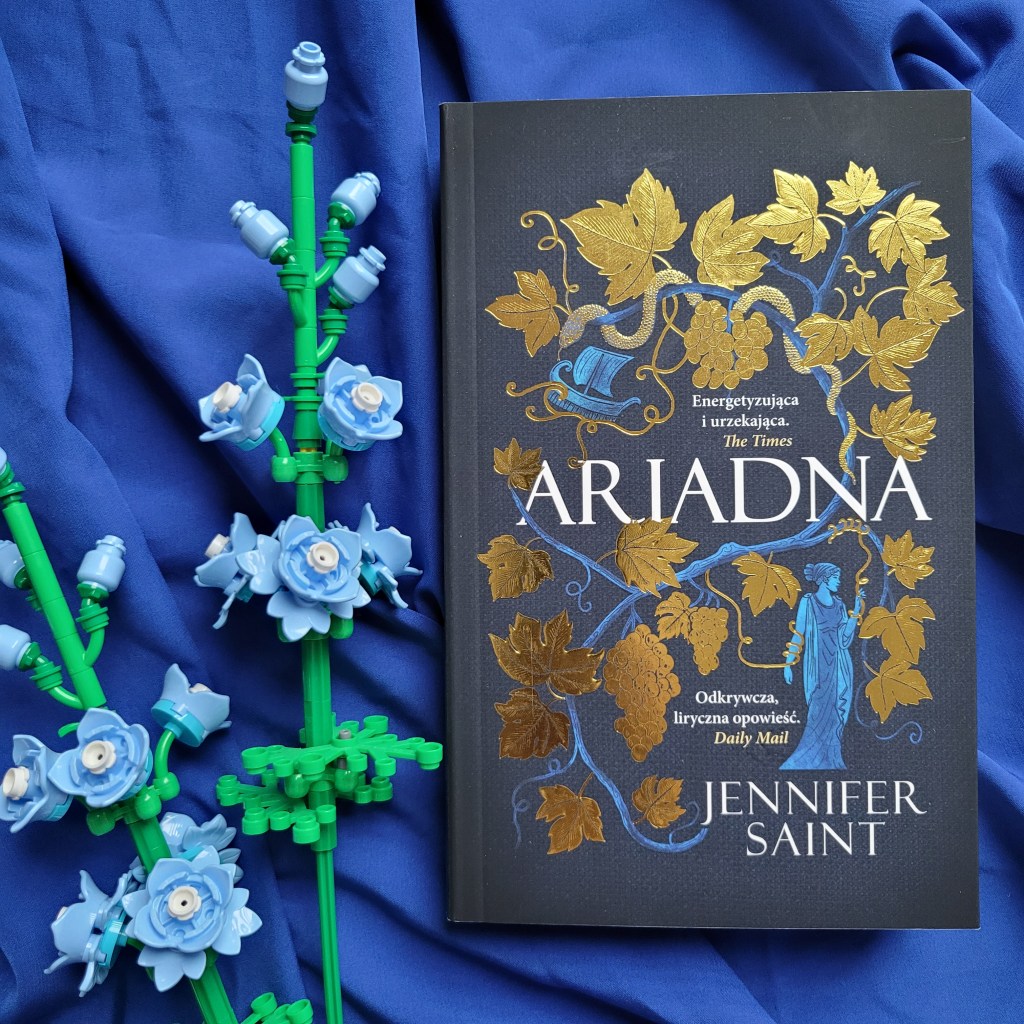
„Ariadna” to tak dobrze nam wszystkim znana historia o Tezeuszu i Minotaurze, ale tym razem opowiedziana z punktu widzenia kobiety, tytułowej Ariadny, z dodatkowymi rozdziałami jej siostry Fedry.
Początek książki jest kosmicznie nudny i kompletnie nie wciągający. 90 stron i dalej nic się nie dzieje. Później się odrobinę rozkręca, ale zdecydowanie nie na tyle, by nazwać lekturę interesujacą – ja kontynuowałam samą siłą woli.
Ariadna chciałaby winić mężczyzn za całe zło spotykające kobiety, i choć ma rację w przypadku swojej matki Pazyfae, która poniosła konsekwencje czynów swojego męża, to los Ariadny był wynikiem jej decyzji. Nie można polecieć na piękne oczka i słówka, a potem mieć pretensje. Dziewczyna wybrała Tezeusza, którego kompletnie nie znała, ponad swoich poddanych i nieidealną, jednak rodzinę. Pomimo ogólnie dobrych intencji, sama zdecydowała o swoim losie. Tezeusz to gnida, ale nie o tym jest ta historia. Fragmenty Fedry są o wiele ciekawsze, młodsza siostra ma więcej oleju w głowie i zamiast rozpaczać non stop, stara się jak najwięcej wyciągnąć z sytuacji w jakiej się znajduje. Ubolewam nad faktem, że rozdziały Fedry były potraktowane tak pobieżnie. Najbardziej jednak drażni mnie myśl o idiotyzmie, jaki Fedra odstawiła na koniec – wydawała się taka inteligentna…
Samo zakończenie mnie przyjemnie zaskoczyło i w końcu wyciągnęło ze mnie reakcję inną niż „no litości…”. Ariadna podjęła kolejną decyzję (choć pewnie wolałaby wierzyć, że to całkowita odpowiedzialność jej męża), która sprawiła, że łezka mi się w oku zakręciła.
Jeśli lubicie mitologię i macie za dużo wolnego czasu, to z powieścią możecie się zapoznać, ale zdecydowanie nie uważam jej za obowiązkową lekturę.
Moja ocena: 5/10
„Ariadna” – Jennifer Saint
Wydawnictwo Muza
Tłumaczenie Kaja Burakiewiecz
English version:
„Ariadna” tempted me with its beautiful gilded cover and mythological theme. So, I finally decided to delve into it, and I’m disappointed with its content.
„Ariadna” is the well-known story about Theseus and the Minotaur, but this time told from the perspective of a woman, the titular Ariadne, with additional chapters about her sister, Phaedra.
The beginning of the book is cosmically boring and completely unengaging. 90 pages in, and still nothing happens. It picks up a bit later on, but definitely not enough to call it an interesting read – I pushed through by sheer willpower.
Ariadne would like to blame men for all the misfortunes that befall women, and although she is right in the case of her mother Pasiphae, who suffered the consequences of her husband’s actions, Ariadne’s fate was the result of her own decision. You can’t fall for pretty eyes and words and then complain. The girl chose Theseus, whom she didn’t know at all, over her subjects and an imperfect yet her own family. Despite generally good intentions, she herself decided her fate. Theseus is a scoundrel, but that’s not what this story is about. Phaedra’s fragments are much more interesting; the younger sister has more sense and instead of constantly despairing, she tries to make the most out of the situation she finds herself in. I lament the fact that Phaedra’s chapters were treated so superficially. However, what bothers me the most is the idiocy Phaedra displayed in the end – she seemed so intelligent…
The ending pleasantly surprised me and finally elicited a reaction from me other than „God, have mercy…”. Ariadne made another decision (although she probably would prefer to believe it was entirely her husband’s responsibility), which brought a tear to my eye.
If you enjoy mythology and have too much free time, you might want to acquaint yourself with this novel, but I definitely don’t consider it a must-read.
My rating: 5/10.
 Na półce Renaty